
OEM vs Aftermarket Parts: What’s the Difference After a Collision Repair?
After an accident, getting your vehicle safely back on the road is the priority. However, many drivers do not realise that the type of replacement parts used during a collision repair can vary.
From OEM and aftermarket parts to recycled and remanufactured components, there are several options available. Understanding the differences can help you feel more confident about the repairs being carried out on your vehicle.
What Are OEM Parts?
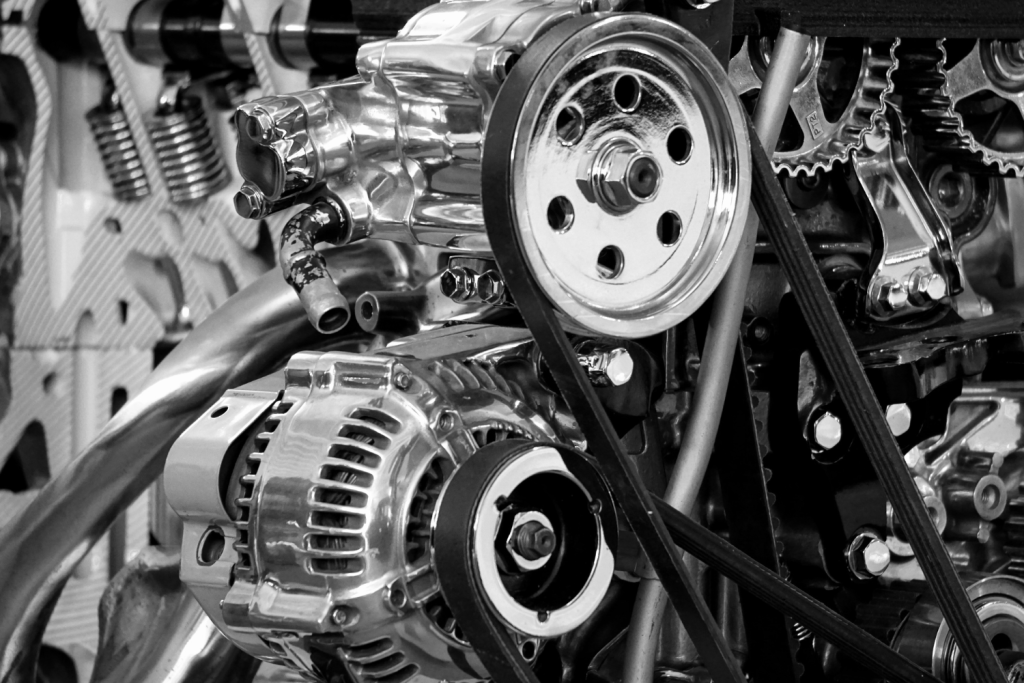
OEM stands for Original Equipment Manufacturer. These parts are produced by, or specifically for, the manufacturer of your vehicle and are designed to match its original specifications.
Because OEM parts are made for a particular make and model, they are designed to provide the correct fit and function. For drivers looking for OEM auto body repair, we can offer reassurance that replacement components meet the specifications intended for the vehicle.
OEM parts can sometimes cost more than other options, and availability can also affect how quickly a collision repair is completed.
What Are Aftermarket Parts?
Aftermarket parts are manufactured by third-party companies rather than the vehicle’s original manufacturer. They can vary significantly in terms of price, design, fitment, and quality.
Some aftermarket components can provide a suitable alternative to OEM parts, particularly when cost or availability is an important consideration. However, because there are many different manufacturers, it is important that the collision repair shop carefully assesses the quality and suitability of any part being installed.
What About Recycled and Remanufactured Parts?
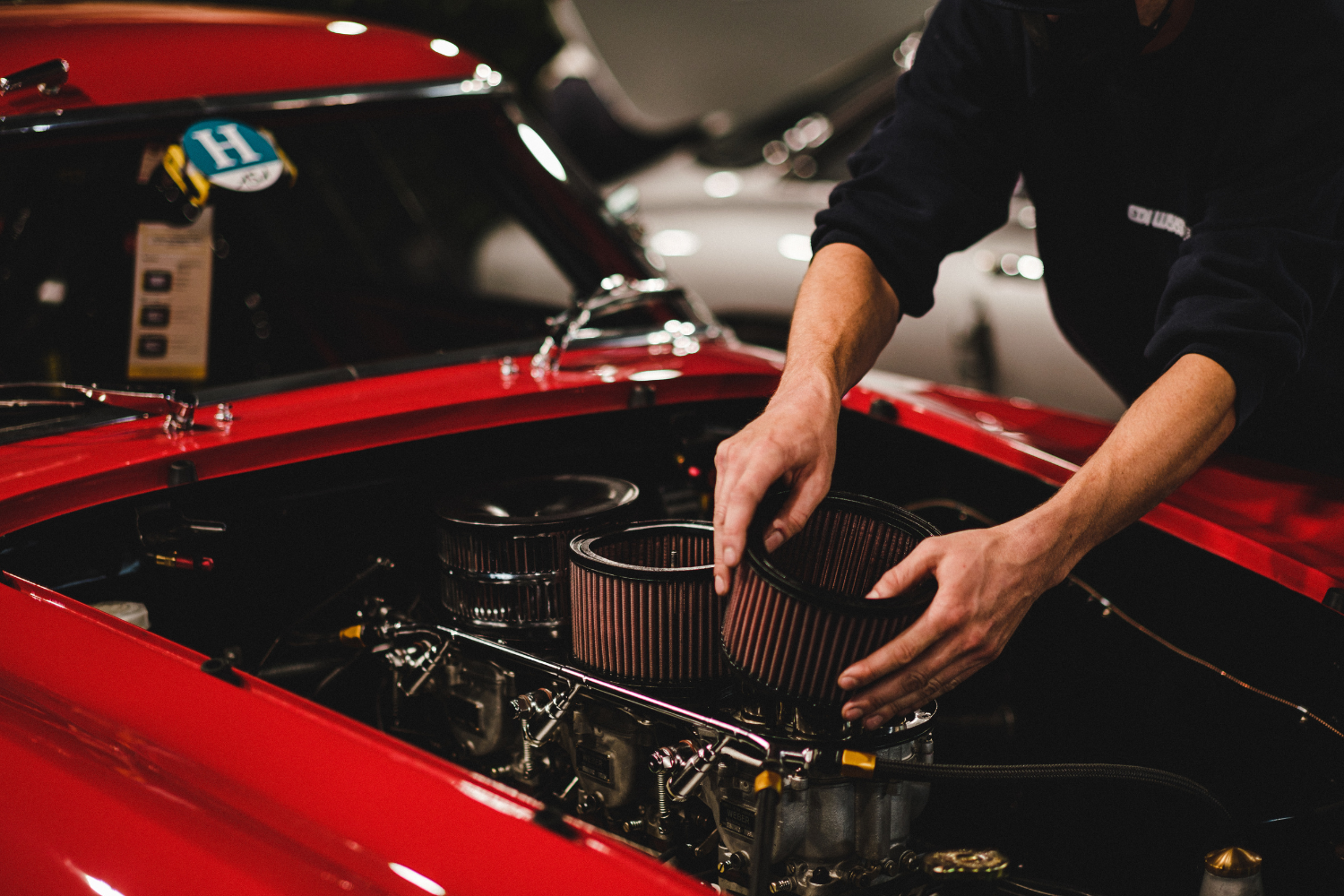
Recycled parts usually come from another vehicle of the same or a compatible model. Depending on their condition, components such as doors, body panels, mirrors, and other parts may be suitable for reuse.
Remanufactured parts are previously used components that have been professionally restored or rebuilt. They are more commonly associated with mechanical and electrical components rather than exterior body panels.
Both can have a place in vehicle repairs, but suitability depends on the individual vehicle and the type of damage.
Does Insurance Affect Which Parts Are Used?
Your insurance policy can influence which collision repair parts are approved following an accident. Some policies may specify OEM parts in certain situations, while others may allow aftermarket, recycled, or alternative components.
Before repairs begin, it is worth reviewing your policy and asking your insurer what is covered. You can also discuss the proposed parts with your collision repair shop so you understand what will be fitted to your vehicle.

Why Do Repair Standards Matter?
The part itself is only one element of a quality collision repair. Correct installation, alignment, paint matching, structural repair, and manufacturer repair procedures are all important when restoring a damaged vehicle.
At JM Collision Center in Laveen, vehicles are restored to OEM standards with a focus on quality, safety, and long-lasting repairs. Our team can explain the repair process and discuss the parts being used, helping you understand exactly what is happening to your vehicle.
If you need professional collision repair in Laveen, contact JM Collision Center for an estimate. Whether your vehicle has minor body damage or requires more extensive repairs, our experienced team can help get it safely back on the road.
Recent Posts
-
OEM vs Aftermarket Parts: What’s the Difference After a Collision Repair?11 Oct 2026
-
 Monsoon Season Car Damage in Laveen: What to Check After a Storm05 Sep 2026
-
 How Long Does Collision Repair Take in Laveen? | JM Collision Center Laveen18 Aug 2026
-
 Commercial Auto Repair: Keeping Phoenix Business Fleets Running Profitably26 Aug 2025
Need Collision Repair? Let's Talk—No Obligation
Whether you’ve been in an accident or just have questions about your vehicle, our family team is here to help.
Get a free, honest estimate with no pressure—just the straight answers you deserve.